The Intersection of Faith and Sports: The Journey of Tim Tebow and John 3:16
1/9/20265 min read
Tim Tebow: From Athlete to Icon
Tim Tebow, born on August 14, 1987, in Makati City, Philippines, is a prime example of how faith can intertwine with professional sports, creating a unique narrative that resonates with many. Growing up in a family that emphasized Christian values, Tebow's faith has been a cornerstone throughout his life, influencing not only his personal choices but also his athletic career.
His journey in sports began at the University of Florida, where he played college football for the Gators. During his time there, he established himself as a standout quarterback, showcasing remarkable leadership and a passion for the game. Tebow's playing style was distinct; he combined powerful running ability with a strong passing arm, a dual-threat that set him apart from his contemporaries. His leadership on the field earned him the unwavering support of his teammates and fans alike, turning him into a beloved figure.
Tebow's stellar performance culminated in a historic achievement when he won the Heisman Trophy in 2007, becoming the first sophomore ever to receive this prestigious award. This accolade solidified his status in the football world and drew significant media attention, not just for his skills but for his outspoken faith. Tebow often used his platform to discuss his religious beliefs, notably referencing John 3:16, a Bible verse that became synonymous with his public persona.
After college, he was selected in the first round of the 2010 NFL Draft by the Denver Broncos. His transition to the NFL was met with both enthusiasm and skepticism, yet he continued to inspire many through his work ethic and perseverance. Tebow's journey from an athlete to an icon illustrates how one's faith can permeate every aspect of life, including the complex world of professional sports, leaving an indelible mark on both fans and players.
The Significance of John 3:16 in Tim Tebow’s Journey
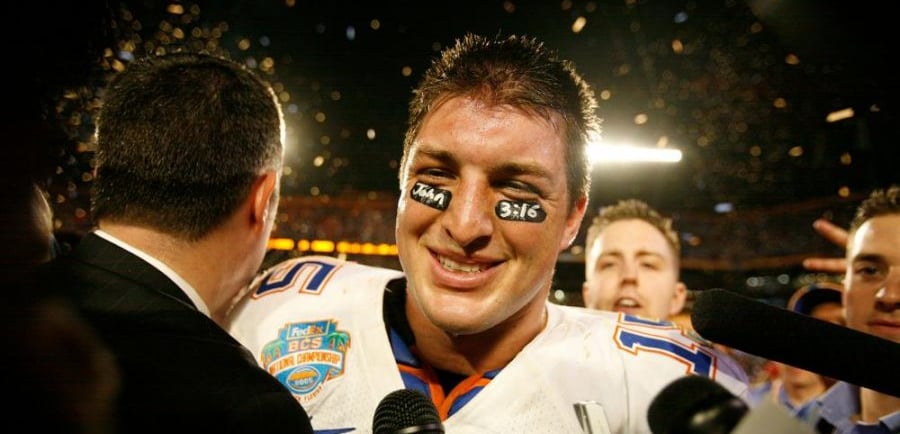
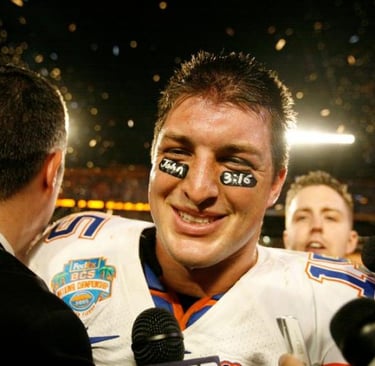
Tim Tebow, an American football quarterback, is known not only for his athletic abilities but also for his unwavering faith, which he prominently displayed throughout his career. One of the most memorable expressions of this faith is the reference to the Bible verse John 3:16, which he famously wrote on his eye black during various football games. This verse, which reads, "For God so loved the world that he gave his one and only Son, that whoever believes in him shall not perish but have eternal life," encapsulates fundamental Christian beliefs about love, sacrifice, and redemption.
The origin of Tebow's public display of John 3:16 can be traced back to the 2009 BCS National Championship game when he wrote it on his eye black, a decision that would eventually lead to widespread recognition of the verse. Following the game, which resulted in a victory for Tebow’s team, an estimated 92 million people Googled the verse, illustrating the profound impact his action had on fans and the broader community. This spontaneous homage transformed John 3:16 into a cultural phenomenon, particularly among those who appreciated the fusion of sports and spirituality.
For Tebow, the significance of this verse extends beyond mere publicity; it embodies his personal beliefs and philosophy. Tebow, raised in a devout Christian family, often expressed how his faith shaped his character and outlook on life. Therefore, the prominent display of John 3:16 served as a form of testimony, encouraging others to explore the meaning of the verse and its transformative message. This act resonated with countless fans and followers, reinforcing the idea that faith and success can coexist harmoniously in the competitive realm of sports.
Religion and Sports: A Historical Perspective
The intersection of religion and sports has been a significant aspect of athletic culture throughout history. Faith has often served as a source of motivation and inspiration for countless athletes, shaping their identities both on and off the field. The ancient Olympic Games, held in Greece, showcased religious devotion through various rituals dedicated to Zeus and other gods, highlighting the deep-rooted connection between sports and spirituality.
Throughout the ages, numerous athletes have openly expressed their beliefs, channeling their spirituality to enhance their performance and resilience. For instance, legendary baseball player Jackie Robinson not only broke racial barriers in sports but also credited his faith as a crucial aspect of his strength. Similarly, basketball icons like Stephen Curry have openly shared how their Christian beliefs guide them, illustrating how athletes find a sense of purpose and grounding in their faith.
This overarching theme of faith in sports can also be observed in the realm of college athletics, where many student-athletes publicly acknowledge the impact of their religious beliefs on their achievements. The NCAA has seen various athletes, akin to Tim Tebow, who have utilized their platform to inspire others by sharing their spiritual journeys. Tebow's emblazoned reference to John 3:16 during key moments in his career reignited a conversation about the role of faith in competitive sports, exemplifying how personal beliefs can resonate widely with audiences and fans.
The amalgamation of faith and athletics continues to manifest in diverse forms, demonstrating that the quest for excellence often unites individuals with a higher purpose. Understanding this historical perspective allows us to appreciate how deeply ingrained spirituality is within the realm of sports and how it influences the journeys of athletes like Tim Tebow.
The Legacy of Tim Tebow and His Impact on Sports Culture
Tim Tebow, a two-time national champion quarterback and NFL player, is notable not only for his athletic achievements but also for his unwavering faith. His public expressions of Christianity, particularly through the reference to John 3:16, have sparked significant discourse regarding the intersection of faith and sports culture. Tebow's legacy extends beyond his statistics on the field; it encompasses a unique approach to athlete activism that has resonated with fans and critics alike.
Tebow's passionate display of faith during games, particularly the viral "Tebowing" phenomenon, captured the attention of a diverse audience. Supporters laud his commitment to his beliefs, viewing him as a role model for young athletes. They see his dedication to prayer and scripture as a guiding force, even under intense pressure in competitive environments. On the other hand, critics argue that his overt religious expressions can be perceived as divisive, questioning the appropriateness of such displays in a secular sports arena.
Regardless of one's stance, it is undeniable that Tebow's actions have inspired many athletes to embrace their own beliefs publicly. His journey emboldened a generation of sports figures to express their faith more openly, whether through charity work, community service, or simply speaking out on faith-related issues. This trend has given rise to a larger conversation about the role of spirituality in sports and how athletes can navigate personal beliefs while engaging with their fandom.
Furthermore, Tebow's legacy is shaping how future athletes approach activism. His model of faith-driven engagement suggests that athletes can utilize their platforms to advocate for causes greater than their sports careers. As discussions about faith and its role in public life continue, the implications of Tebow's journey may pave the way for more nuanced dialogues surrounding belief in sports.